Understanding Roof Inspections: What Homeowners Need to Know
- sdunn2220
- 8 hours ago
- 3 min read
When it comes to home maintenance, roof inspections often take a backseat. However, neglecting this crucial aspect can lead to significant issues down the line. A well-maintained roof not only protects your home but also enhances its value. In this blog post, we will explore the importance of roof inspections, what homeowners should look for, and how to choose the right professional for the job.

Why Roof Inspections Matter
Roof inspections are essential for several reasons:
Preventative Maintenance: Regular inspections can identify potential problems before they escalate. This proactive approach can save homeowners thousands in repairs.
Insurance Requirements: Some insurance companies require regular roof inspections to maintain coverage. Failing to comply can lead to denied claims.
Increased Property Value: A well-maintained roof can significantly enhance your home's curb appeal and overall value. Prospective buyers are more likely to be attracted to a home with a solid roof.
When to Schedule a Roof Inspection
Homeowners should consider scheduling a roof inspection in the following situations:
After Severe Weather: High winds, heavy rain, or hail can damage roofs. Inspecting your roof after such events is crucial.
Before Buying or Selling a Home: A roof inspection can reveal hidden issues that could affect the sale price or your decision to buy.
Every Few Years: Even without obvious signs of damage, it's wise to have your roof inspected every 2-3 years to ensure its integrity.
What to Expect During a Roof Inspection
A professional roof inspection typically involves several key steps:
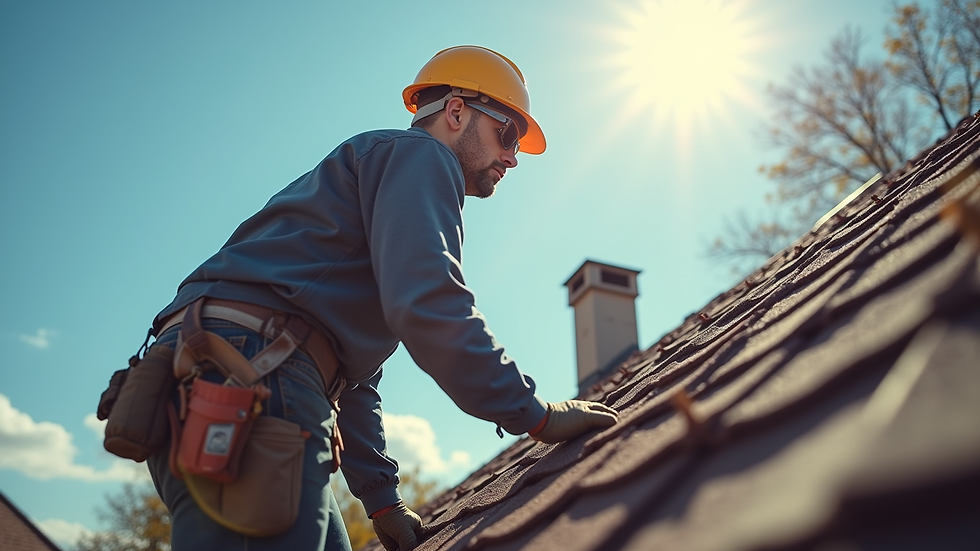
Visual Inspection: The inspector will examine the roof's surface for signs of wear, damage, or missing shingles.
Check Flashing and Seals: Flashing around chimneys, vents, and skylights will be inspected for leaks or deterioration.
Gutter Inspection: Clogged or damaged gutters can lead to water pooling on the roof, causing further issues.
Interior Inspection: The inspector may also check the attic for signs of water damage or mold, which can indicate roof problems.
Common Roof Issues to Look For
During an inspection, homeowners should be aware of several common roof issues:
Missing or Damaged Shingles: Shingles that are cracked, curled, or missing can expose the underlying materials to moisture.
Leaking Flashing: Flashing that is rusted or improperly sealed can lead to leaks.
Sagging Roof Deck: A sagging roof may indicate structural issues that require immediate attention.
Moss and Algae Growth: While not always a sign of damage, excessive growth can trap moisture and lead to deterioration.
Choosing the Right Roofing Professional
Selecting a qualified roofing inspector is crucial for a thorough and accurate assessment. Here are some tips for choosing the right professional:
Check Credentials: Ensure the inspector is licensed and insured. This protects you from liability in case of accidents.
Read Reviews: Look for customer reviews and testimonials to gauge the inspector's reputation.
Ask for References: A reputable inspector should be willing to provide references from previous clients.
Get Multiple Quotes: Don’t settle for the first quote you receive. Comparing prices can help you find a fair deal.
The Cost of Roof Inspections
The cost of a roof inspection can vary based on several factors, including:
Location: Prices may differ based on regional market rates.
Roof Size: Larger roofs typically require more time and effort to inspect.
Type of Inspection: A basic visual inspection may cost less than a comprehensive assessment that includes additional services.
On average, homeowners can expect to pay between $100 and $300 for a professional roof inspection.
DIY Roof Inspections: What You Can Do
While hiring a professional is often the best choice, homeowners can perform basic inspections themselves. Here are some steps to follow:
Use Binoculars: A pair of binoculars can help you spot issues from the ground without climbing onto the roof.
Look for Debris: Check for leaves, branches, or other debris that could trap moisture.
Inspect Gutters: Ensure gutters are clear and functioning properly to prevent water damage.
Check for Signs of Leaks: Look for water stains on ceilings or walls inside your home.
The Importance of Regular Maintenance
Regular roof maintenance is key to extending the life of your roof. Here are some maintenance tips:
Clean Gutters: Regularly remove debris from gutters to ensure proper drainage.
Trim Overhanging Branches: Keep tree branches away from the roof to prevent damage during storms.
Inspect After Storms: Always check your roof after severe weather for any signs of damage.
Conclusion
Understanding roof inspections is vital for every homeowner. By prioritizing regular inspections and maintenance, you can protect your home from costly repairs and ensure its longevity. Whether you choose to hire a professional or conduct a DIY inspection, being proactive about your roof will pay off in the long run. Don't wait until you see a leak; take action today to safeguard your home.
Remember, a well-maintained roof is not just a protective barrier; it’s an investment in your home’s future.

Comments